
- The thematic design shows that digipaks must be a cohesive product where the designs of each face follow through the end result.
- The printing on the disk is similar to an image on another face which increases the cohesion.
- Minimalist design with a nicely framed, simple image of the artist, accompanied by typography.
- Information on the inside cover
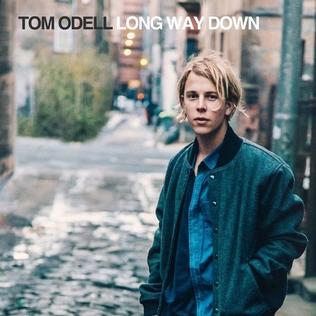 I really like the Tom Odell - Long Way Down album as it's simple and incorporates the widely used, but little perfected white on a light photograph, while still visible. The image is the entire album cover, however, which would be illfitted for the project due to the lack of skill showcasing. The depth of field is particularly effective with the focus purely on the model which looks very nice. This, I could incorporate in my final product as it's very minimalist, but technical.
The back cover is quite contrapuntal to the front; where the front has a soft focus depth of field, the back is more gritty though I like this. There is a synergy between the two covers with the second use of the model. Though his features aren't visible, his clothing is recognisable and forms a link between the two. The track list uses the same bold font, which is quite effective.


Very much like the Tom Odell artwork, this cover reuses the model in the same clothing to create synergy. The perspective created by the street is very nice and connotes such things as journeying and moving on which seems to be the mantra of the album.
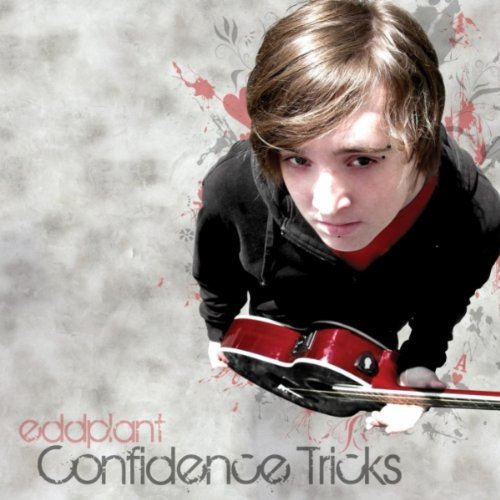
Edd Plant's Confidence Tricks skillfully shows how an image can be removed from the background and the backdrop can be manipulated. Having rendered clouds, the producer has introduced some interesting flourishes in red and black which connote playing cards and therefore back up the album's title. Card names such as the Ace of Hearts also feature which furthers this. The choice of props and clothing is also in keeping. The font, however, is quite common and therefore doesn't look as great as it could. I may take inspiration from this cover, but the font will be considered deeply and I will ensure to not use a famous, common one.


 This album is particularly good because it showcases an extremely good set of editing skills. The photograph has been manipulated such that it now resembles a cartoon wth only two tones (for half of he image). The, then, introduction of a red pop art style gradient, really makes the art work pop out which would be the producer's intention. Logo wise, the incorporation of both names as one looks very nice and will clearly be memorable. The back cover continues the pop art style which I think looks really nice and achieves a great look while not overly difficult to reproduce. Again, the font is san serif and, in this case, entirely capitalised which is bold and iconic of the punky genre. The convention holds for more than punk, however, evidenced by the previous two album arts. The disc, which seems to be the same for most, merely continues the theme in terms of colour and logos or is fairly bare and quite minimalistic, such as the Jake Bugg disc.

No comments:
Post a Comment